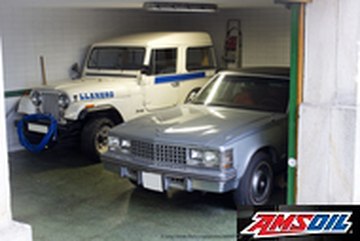
Engine Lubrication and Maintenance for the 1982 Jeep CJ-7 4.2L
Maintaining a vehicle like the 1982 Jeep CJ-7 requires a proactive approach to mechanical care, particularly regarding the lubrication systems that support the 4.2L engine. Because these vehicles are often subject to varying operating environments and long-term use, consistent monitoring of fluid health and component integrity is essential for sustained performance.
Monitoring Fluid Integrity and Potential Leaks
One of the most effective ways to monitor the health of a 4.2L engine is through regular visual inspections for fluid seepage. Over time, various gaskets and seals may experience changes in their ability to maintain a tight barrier. When performing routine checks, it is useful to look for any signs of oil residue around the engine block or near sealing surfaces.
If you notice fresh oil appearing on the underside of the vehicle or pooling in the drain area, this warrants further investigation. It is important to remember that a visible leak can be associated with several different components; therefore, identifying the exact source requires a careful inspection of all accessible areas. Rather than assuming a specific part has failed, look for the path of the fluid to determine where it might be originating. Additionally, checking the appearance of the oil itself—noting any unusual color or consistency—can provide clues about the engine's internal state and whether contaminants are present.
Observing Operational Warning Signs
Beyond visual inspections, paying close attention to how the vehicle behaves during operation can reveal underlying maintenance needs. Changes in how the engine sounds or smells can be early indicators that something requires attention. For example, an unusual odor may indicate that oil is contacting a hot surface, which should be investigated to prevent further issues.
If you notice changes in lubricant consumption—meaning you find yourself needing to add oil more frequently than before—this is a significant signal to inspect the engine's seals and internal components. Similarly, any unexpected mechanical noises or changes in how the engine idles can be associated with various lubrication or ignition factors. Because symptoms like these can have multiple underlying causes, they should be treated as prompts for a professional diagnosis rather than definitive proof of a single component failure.
Prioritizing Long-Term Engine Care
For owners of a 1982 Jeep CJ-7, managing maintenance becomes more effective when you move away from guesswork and toward condition-based service. If the vehicle's full service history is unknown, establishing a baseline is a practical first step. This involves performing a thorough inspection of all fluids, belts (if equipped), and hoses to determine their current state of preservation.
When deciding which tasks to address first, prioritize active concerns such as visible leaks or changes in fluid condition. It is often more beneficial to focus on addressing existing issues and maintaining current components than to replace parts based solely on the age of the vehicle. Keeping a detailed record of every oil change, filter replacement, and observed mechanical change will help you identify patterns over time. This documentation allows you to distinguish between routine preventive maintenance and necessary repairs, ensuring that your efforts are directed where they provide the most value.
Inspecting Auxiliary Engine Components
While engine oil is a primary focus, other components play a role in the overall health of the 4.2L powerplant. If equipped, accessible drive belts should be inspected periodically for signs of wear, such as cracking, glazing, or fraying. Similarly, if the vehicle is equipped with various hoses, checking them for softness, brittleness, or bulging can prevent unexpected failures.
Electrical connections and wiring also benefit from regular observation. Ensuring that connectors are secure and free from corrosion helps maintain stable operation of engine-related systems. By combining these checks with your oil maintenance routine, you create a comprehensive oversight strategy that covers more than just lubrication.
Effective Lubricant Selection Strategies
Selecting the right lubricant involves more than just picking a bottle off a shelf; it requires matching the product to the specific needs of the 4.2L engine. While many modern formulations offer different benefits, such as synthetic or high-mileage options, the most important factor is adhering to the technical requirements for your specific application.
Some owners may consider high-mileage oil formulations, which often contain additives intended for use in aging engines. These formulations may include seal-conditioning additives that can assist in maintaining the integrity of older seals. However, the choice between conventional, synthetic blend, or full synthetic oil should be guided by the application information provided for your vehicle rather than general assumptions about engine age.
Buying Engine Oil for your 1982 Jeep CJ-7 4.2L
When you are ready to purchase new lubricant, always prioritize the specific requirements listed for your engine. To ensure you are getting the correct product, match the engine oil to the application-specific viscosity information already displayed on this page. Do not rely on memory or general automotive knowledge to determine the correct grade, as accuracy is vital for the proper operation of the 4.2L engine.
Before completing your purchase, check the product labeling to verify that the oil meets the necessary quality standards and certifications. Whether you choose a conventional oil or a more advanced synthetic formulation, the primary goal is to ensure the lubricant aligns with the technical data provided for this exact vehicle. By following the application-specific guidance shown above, you can make an informed decision that supports the continued maintenance of your Jeep.